

Resource-efficient vinyl records
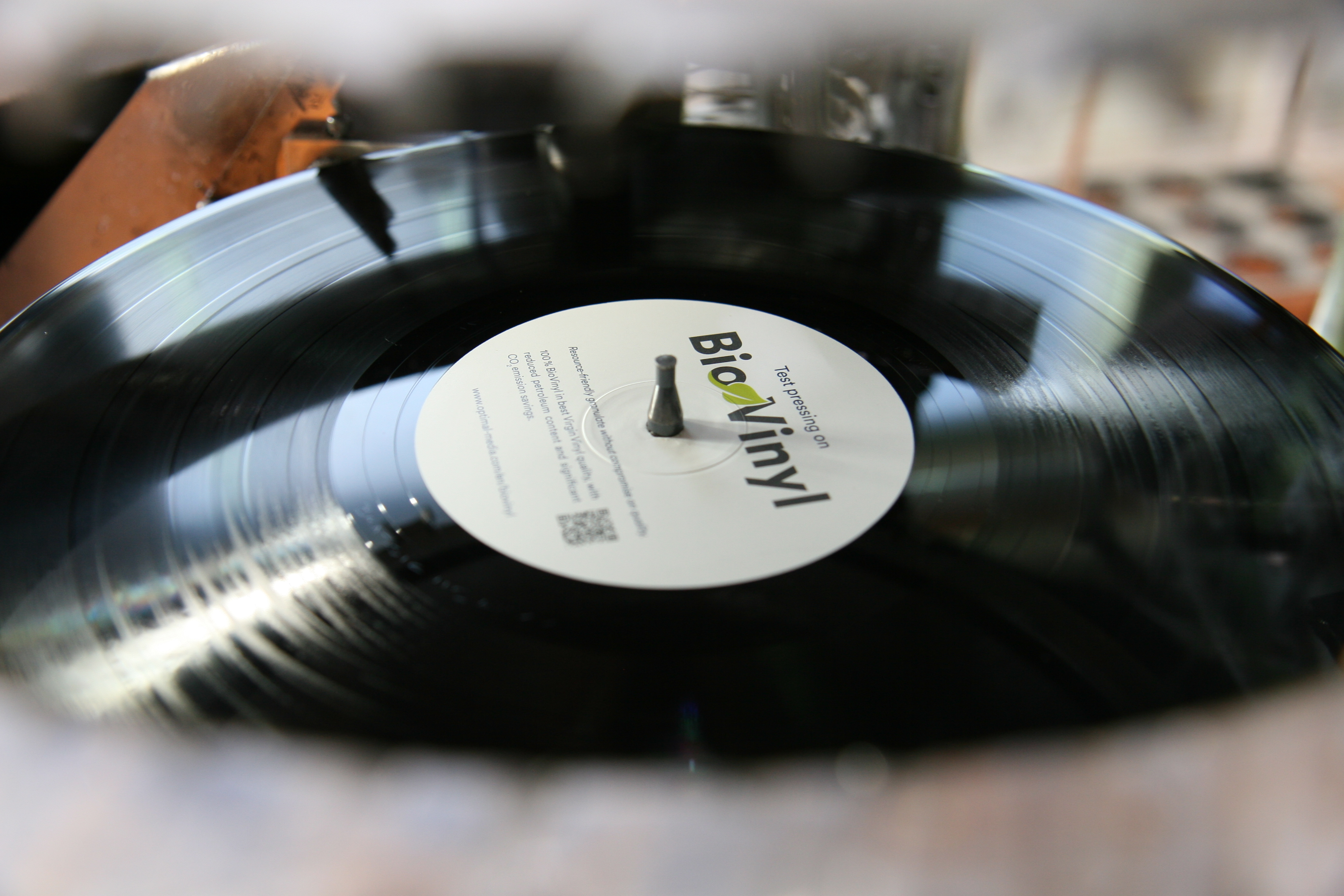
With BioVinyl, we offer you an alternative method of vinyl record production that uses bio-based PVC, the raw materials for which are verifiably certified in accordance with the ISCC mass balance approach.1 The entire BioVinyl manufacturing process is documented and audited in accordance with the ISCC PLUS standard.2
- Reducing the use of fossil-based raw materials in the compound by using bio-based raw materials such as recycled cooking oils1
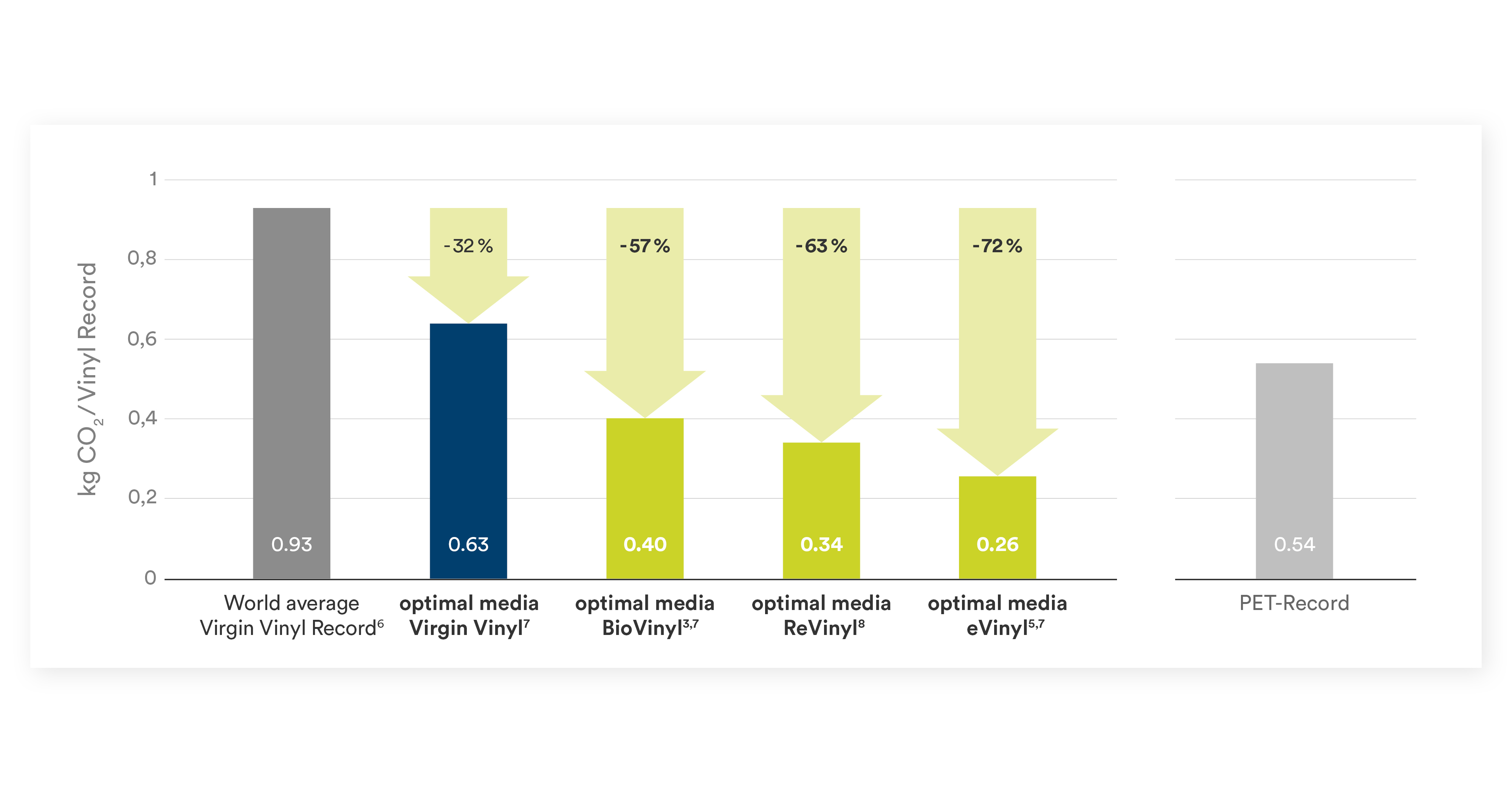
- Approx. 57 % lower product carbon footprint, validated by ClimatePartner UK Ltd.3
- Pressing process uses 100% electricity from renewable energy sources4; steam generated conventionally
- Contributes to a transparent and traceable PVC supply chain in accordance with ISCC PLUS certification
- Mechanically recyclable and reusable within the internal material cycle
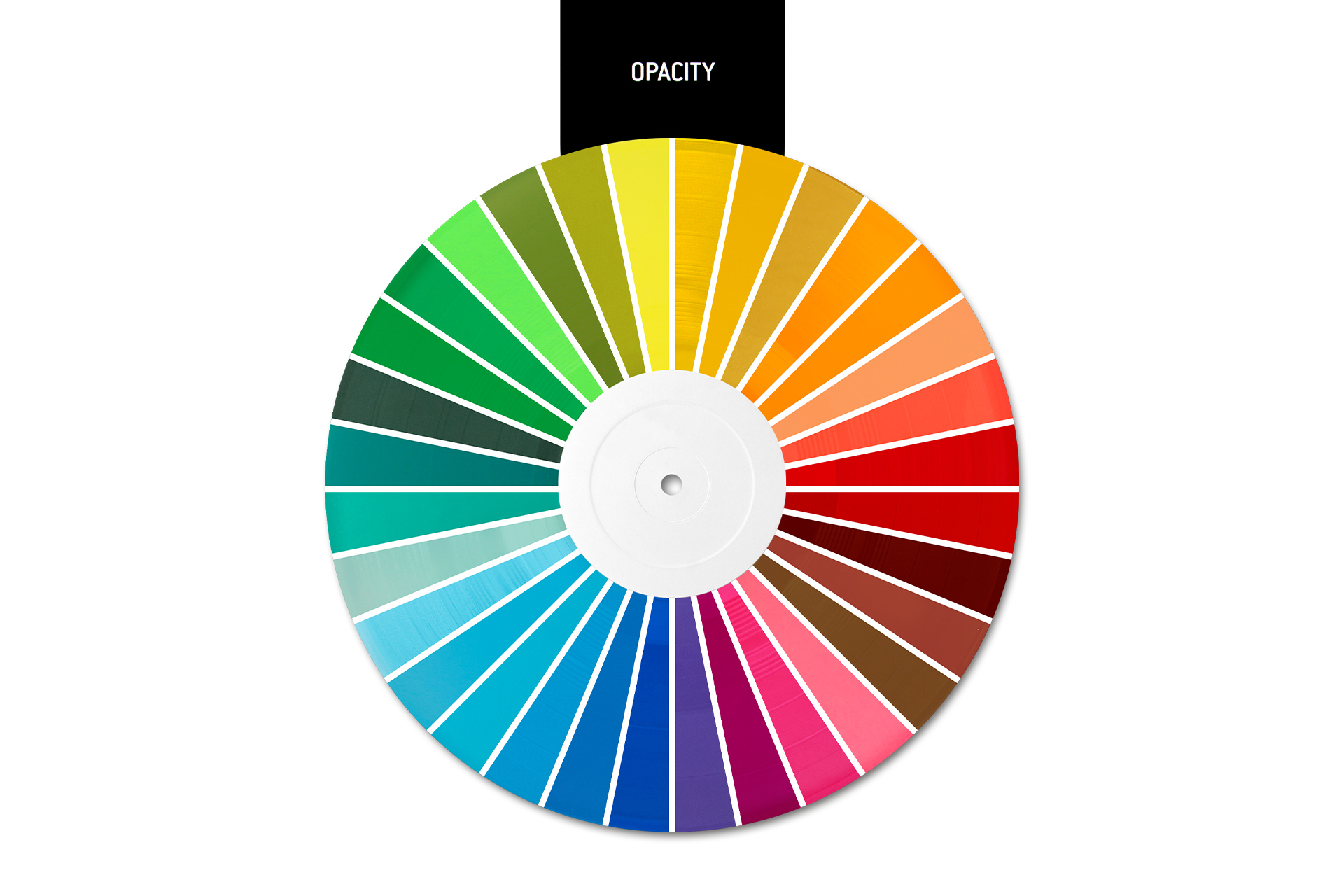
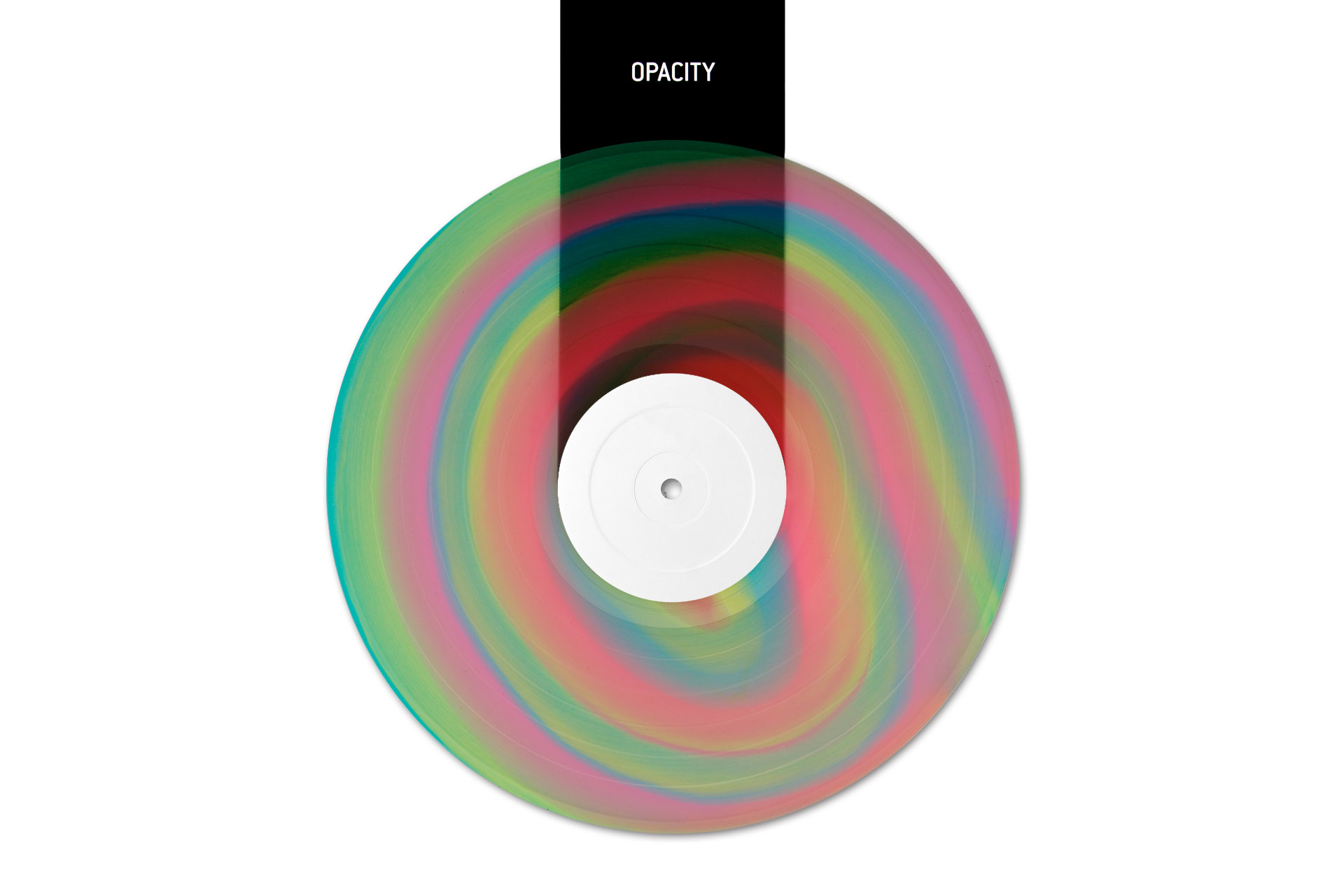
- Available in black as well as in all the colours and finishes featured in our colour catalogue
- Proven Virgin Vinyl quality
The CO₂ savings stated are based on a report on global average values for PVC records. The production of BioVinyl at optimal media results in a 57% reduction in CO₂ compared to the global average.
FAQ
1 ISCC mass balance approach: Raw materials recorded in the balance sheet by quantity, in the form of bio-based raw materials such as recycled cooking oils, and allocated to the end product on a calculated basis.
2 Cradle-to-gate: Production of PVC through to the finished pressing.
3 PCF comparison (cradle-to-gate): BioVinyl incl. biogenic carbon sequestration, 0.40kg CO₂ (excl. biogenic carbon sequestration 0.58kg CO₂), validated by ClimatePartner UK Ltd., compared to 0.93kg CO₂ for an average vinyl record made from conventional PVC, according to the Music Climate Pact/Vinyl Alliance Sustainable Supplier Program – Phase 1 Insights Report.
4 Recorded through certificates of origin.
5 PCF comparison (cradle-to-gate): eVinyl, incl. biogenic carbon sequestration, 0.26kg CO₂ (excl. biogenic carbon sequestration 0.44kg CO₂), validated by ClimatePartner UK Ltd., compared to 0.93kg CO₂ for an average vinyl record made from conventional PVC, according to the Music Climate Pact/Vinyl Alliance Sustainable Supplier Program – Phase 1 Insights Report.
6 Source: Music Climate Pact/Vinyl Alliance Sustainable Supplier Programme Phase 1 Insights Report
7 PCF validated by ClimatePartner UK Ltd.
8 Internal calculation of optimal media GmbH
Test pressing on BioVinyl

Sustainability
Environmentally friendly products
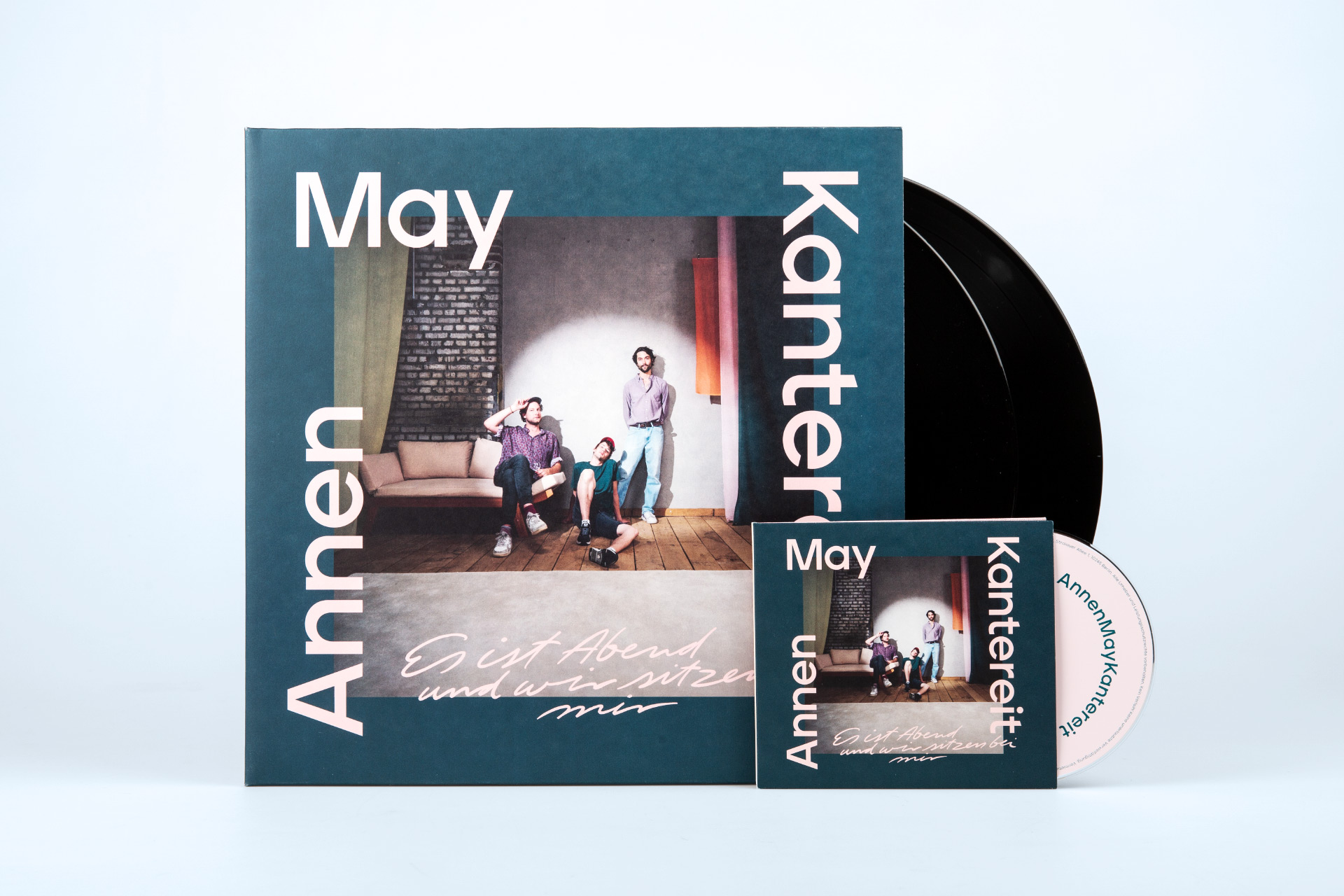
Ask for our BioVinyl product samples and find out more about ecological alternatives and equipment options here or from your personal contact – together we will design your product to be as sustainable as possible.
Ecological production variations
- Recycled cardboard and paper
- FSC-certified paper and cardboard from sourced from responsibly managed forests
- Conventional offset printing with inks made from plant oils
- Environmentally friendly finishing
- Environmentally friendly packaging for your products
- Financial contribution to climate action with ClimatePartner
- Support for a regional nature protection project
References
Do you have any questions, or would you like to speak directly with a representative?